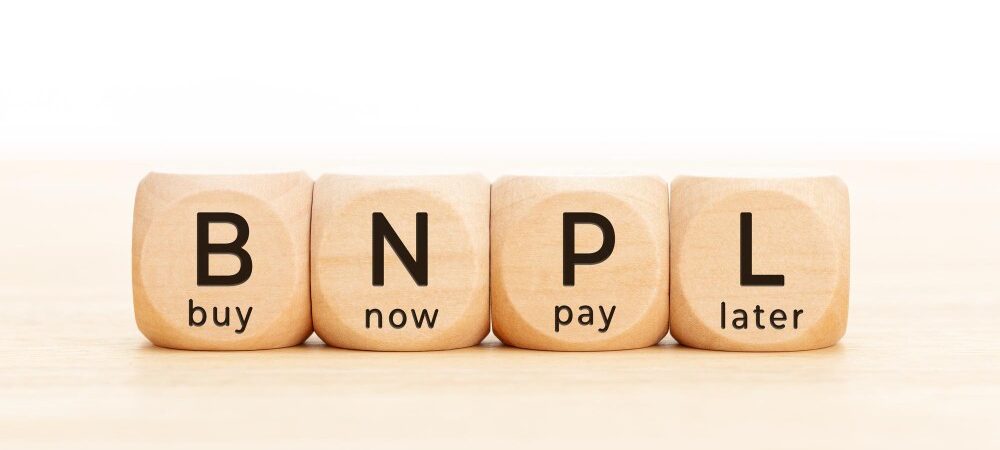
The Silent Danger of «Buy Now, Pay Later» (BNPL) Schemes: Finance and Investment from Scratch
Navigating the checkout process of any online retailer has become an exercise in financial seduction. Right next to the traditional button for entering credit card details, a subtle box in pastel tones appears, inviting tranquility: «Pay in three convenient, interest-free installments.» The message is direct, aesthetically pleasing, and, above all, psychologically painless. These systems, known globally as Buy Now, Pay Later (BNPL), have crowned themselves as the star payment method for new generations of consumers.
The problem with this silent revolution is that, unlike traditional credit cards, BNPL is not perceived as debt. There are no tedious underwriting forms to fill out, no paperwork is requested, and approval is immediate, occurring in less than two seconds right inside the shopping cart. However, hidden behind this eliminated friction is a trap of behavioral engineering that is fragmenting the salaries of millions of citizens, nudging them into a financial vulnerability that is difficult to detect until it is already too late.
The Illusion of the Fractional Price and the Anesthesia of the Pain of Paying
The success of «Buy Now, Pay Later» does not lie in its technology, but in how it hacks our brain’s decision-making mechanisms. In behavioral economics, there is a core concept known as the «pain of paying.» When we hand over cash or see our checking account balance decrease, we experience a psychological discomfort that acts as a natural brake against uncontrolled spending. BNPL completely anesthetizes this brake.
By fragmenting the cost of a product, these platforms ensure that consumers evaluate the purchase based solely on the first installment, distorting the perception of the object’s actual value.
Mechanisms of Distortion in Daily Purchasing
- The Micro-Installment Effect in the Shopping Cart: If a coat costs one hundred and twenty dollars, the brain may consider it a high expense and decide to postpone it. If the application offers to pay for it in three installments of forty dollars, the brain processes the number forty. The real financial impact remains one hundred and twenty dollars, but the psychological barrier has completely collapsed.
- The Invisible Accumulation of Financial Commitments: The true danger is not buying a pair of sneakers in installments; the danger is accumulation. A fifteen-dollar installment for a perfume, another twenty dollars for food delivery, and thirty more for a video game seem harmless in isolation. The following month, the user discovers that two hundred dollars are committed to micro-debts that drain their savings capacity.
- The Normalization of Indebtedness for Ephemeral Consumption: Historically, financing something was reserved for durable goods or essential needs, such as a house, a car, or a medical procedure. The BNPL framework has caused seasonal clothing, makeup, or even groceries to be paid for in installments, turning debt into the default lifestyle for daily consumption.
The User Profile and Its Impact on Credit Histories
Unlike traditional banking products, which typically attract older profiles with stable incomes, «Buy Now, Pay Later» platforms have found their goldmine in younger consumers, such as those belonging to Generation Z and Millennials. They are digitally native users who distrust traditional banks but embrace applications with clean, attractive interfaces.
Consumer data from international financial consultancies reflects a worrying reality: nearly half of the users of these services acknowledge that they spend between ten and thirty percent more than they would if they had to pay the full price upfront.
Shadow Consequences on Financial Health
- Default by Oversight and Penalty Fees: Although promoted as interest-free services, the business of many of these companies flourishes when the user falls behind. Late fees or fixed overdue penalties are charged automatically, transforming a minor delay into a surcharge that can exceed twenty percent of the product’s original value.
- Collateral Damage to Future Borrowing Capacity: Many people believe that using BNPL does not affect their financial record because it does not pass through a traditional bank. This is a mistake. Currently, credit rating agencies and conventional banks are already cross-referencing data with these platforms. Having a history riddled with active micro-loans can be the definitive reason why a bank denies a mortgage or a loan for an important project in the future.
- The Vicious Cycle of Credit Card Refinancing: When accumulated micro-installments exceed the user’s monthly liquidity, they often resort to credit cards to cover the «Buy Now, Pay Later» payments. This generates a spiral of cross-debt with compound interest that is extremely difficult to exit without drastic financial intervention.
Defense Strategies to Regain Control of the Digital Wallet
The problem with these systems is not their existence, but the lack of financial literacy regarding how to use them without getting hurt in the process. It is not about demonizing the tools that technology places within our reach, but about learning to apply rational filters so that they work for us rather than against us.
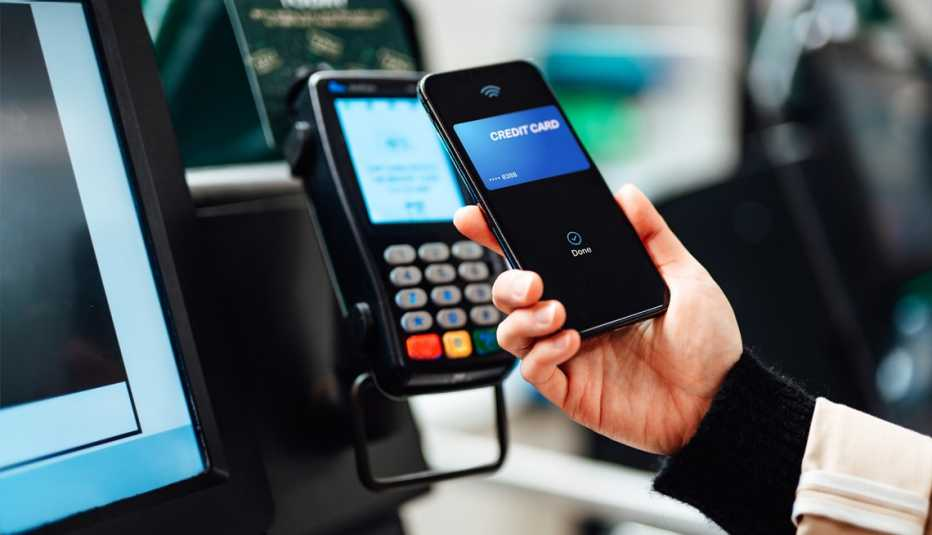
To survive the constant bombardment of payment facilities in e-commerce, it is necessary to establish a strict personal protocol that returns healthy friction to our purchasing decisions.
Practical Filters for the Savvy Consumer
- The Seventy-Two-Hour Rule for Deferred Purchases: Before accepting any installment plan, it is mandatory to leave the item in the shopping cart and wait three full days. In the vast majority of cases, the emotional impulse disappears, and the consumer realizes that the object was not a real need, but a digital craving stimulated by the algorithm.
- The Maximum Limit of Simultaneous Alerts: Firmly establish that no more than two active deferred payment contracts can be held at the same time. If one wishes to finance something new, they must wait for the previous installments to end or liquidate the existing debt prematurely. This maintains visibility over committed funds.
- The Monthly Audit of Subscriptions and Installments: Dedicate one day a month exclusively to reviewing bank statements to track these fragmented charges. Seeing the total sum of money leaving the account for past leisure or clothing helps readjust spending behavior for the following weeks.

Conclusion: The Real Price of Instant Gratification
«Buy Now, Pay Later» schemes have managed to transform debt into a fashion accessory, dressing up what is actually a binding financial commitment as mere convenience. At the end of the day, no application gives away free money; it simply borrows it from your future so that you can spend it in your present.
True financial freedom does not consist of having the capacity to defer your purchases to make them appear cheaper, but in having the peace of mind that your salary belongs entirely to you when the month begins. If you allow sales algorithms to decide for you and fragment your income into invisible portions, you will end up living in a house full of new objects but with a completely empty bank account. The next time you see the three-installment button, remember that payment may be deferred, but responsibility is always immediate.