
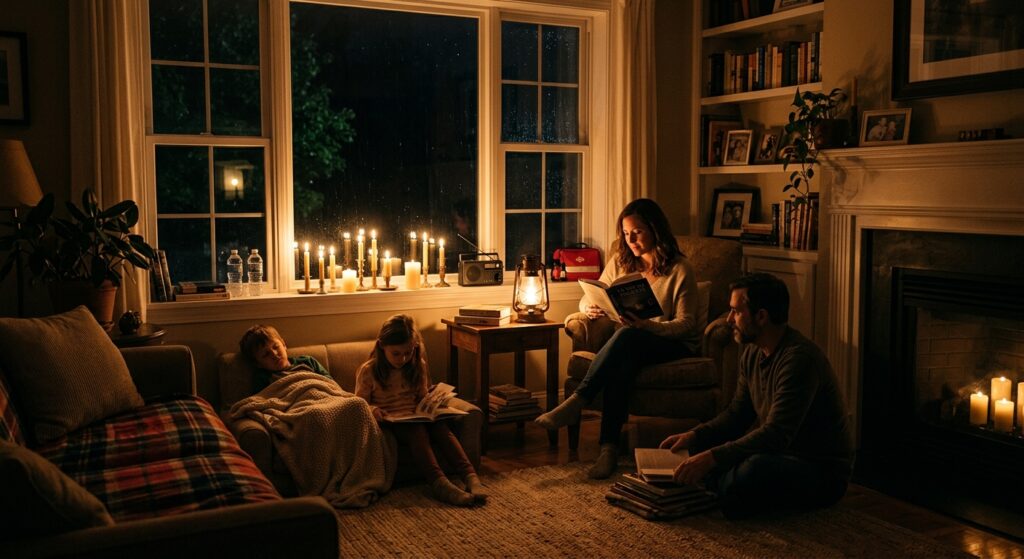
A 24 hour power outage changes the situation compared to a quick, one-hour blip. Once the first day passes without power, food safety, temperature control, and communication all become real concerns. This guide walks through what to actually do once an outage crosses that 24-hour mark. The goal is to keep you safe and comfortable until the lights come back on.
The First Few Hours Matter Most
In the early hours of any outage, your actions set the tone for everything after. First, keep the refrigerator and freezer closed as much as possible, since every open door lets cold air escape. Second, check whether the outage is isolated to your home or affects the whole neighborhood, since this changes what to expect for restoration time. In addition, sign up for utility outage alerts if you have not already, since many providers send text updates on estimated restoration.
Once You Pass the 24-Hour Mark
At this point, treat the outage as extended rather than temporary. Therefore, shift your mindset from waiting it out to actively managing resources. Check your food supply and decide what needs to be eaten soon versus what can wait. For detailed guidance on which foods are still safe, see our guide on how to keep food safe during a power outage without a generator. Meanwhile, ration your phone and device battery use, prioritizing communication over entertainment.
Managing Temperature Safely
Extended outages during extreme weather bring real health risks. In summer, a home without air conditioning can become dangerously hot within hours, particularly for infants, older adults, and pets. As a result, it is worth identifying a cooling center or a relative’s home with power as a backup option. In winter, the opposite risk applies, since homes without heat can drop to unsafe temperatures overnight. Because of this, close off unused rooms to concentrate warmth, and layer blankets rather than relying solely on space heaters, which strain limited backup power.
Running a Generator Safely for the Long Haul
If you are running a generator through an extended outage, refueling becomes an ongoing task. Always let the generator cool before refueling, and never refuel it indoors or while it is running. In addition, track your fuel supply realistically. A generator that runs out at hour 20 of a predicted 30-hour outage leaves you worse off than planning conservative fuel use from the start. For homeowners without a generator yet, our comparison of home battery backup systems covers a fuel-free alternative. Our breakdown of home battery backup cost explains what that option actually runs.
Staying Connected When Cell Service Is Unreliable
Extended outages often strain cell towers, especially if backup power at those towers also runs low. Therefore, text messages tend to get through more reliably than phone calls, since they require less bandwidth. Similarly, a battery-powered or hand-crank radio becomes valuable for receiving official updates when cellular data is unreliable. In addition, agree on a check-in plan with family members in advance, so everyone knows how to reconnect if communication drops entirely.
When to Consider Leaving Your Home
Sometimes staying home through a 24 hour power outage is not the safest option. For example, if indoor temperatures become dangerous, relocating temporarily is the safer choice. The same applies if a household member depends on powered medical equipment without a working backup. According to the American Red Cross, community shelters and cooling or warming centers are typically set up during major, prolonged outages. Local emergency management channels usually share the exact locations. Because conditions can change quickly, it helps to know this option exists before you actually need it.
Checking on Neighbors
Extended outages affect entire communities, not just individual households. In addition, elderly neighbors or those living alone often face higher risk during long outages, particularly in extreme heat or cold. Therefore, a quick check-in costs little and can catch a problem early. Similarly, sharing resources, such as a charged power bank or extra flashlight batteries, strengthens the whole street’s ability to get through the outage safely.
Planning for Insurance and Damage
Long outages sometimes come with property damage, whether from a storm itself or from food spoilage. Keep receipts and, if possible, photos of any spoiled food or damaged property, since this documentation matters if you file a claim. For a full explanation of what policies typically cover, see our guide on whether homeowners insurance covers generator damage or theft.
Keeping Pets Calm and Safe
Pets often pick up on household stress during a long outage, so their comfort matters too. Keep them on a normal feeding schedule where possible, since routine helps reduce anxiety. In addition, make sure they have access to fresh water throughout the outage, not just at the start. If temperatures inside become extreme, treat pets with the same urgency as vulnerable family members, since they cannot regulate heat or cold as well as humans can. Finally, keep leashes and carriers accessible in case you need to relocate quickly.
After the Outage Ends
Once power returns, resist rushing back to normal immediately. First, check the refrigerator and freezer temperatures before trusting any food inside. Second, inspect any generator or battery equipment for wear before storing it. Finally, take notes on what worked and what did not, since this makes your response to the next 24 hour power outage even smoother.
Frequently Asked Questions
Is a 24 hour power outage dangerous? For most healthy households, it is inconvenient rather than dangerous. However, extreme temperatures or dependence on medical equipment can make it genuinely risky without a backup plan.
How much food is safe to keep after a 24 hour power outage? A full freezer generally stays safe for up to 48 hours if left unopened. A refrigerator without power, by contrast, is typically safe for only about 4 hours.
Should I run my generator overnight during a 24 hour power outage? Yes, as long as it is placed outdoors, away from windows and doors. Just make sure you have enough fuel to avoid refueling it while it is still hot.