
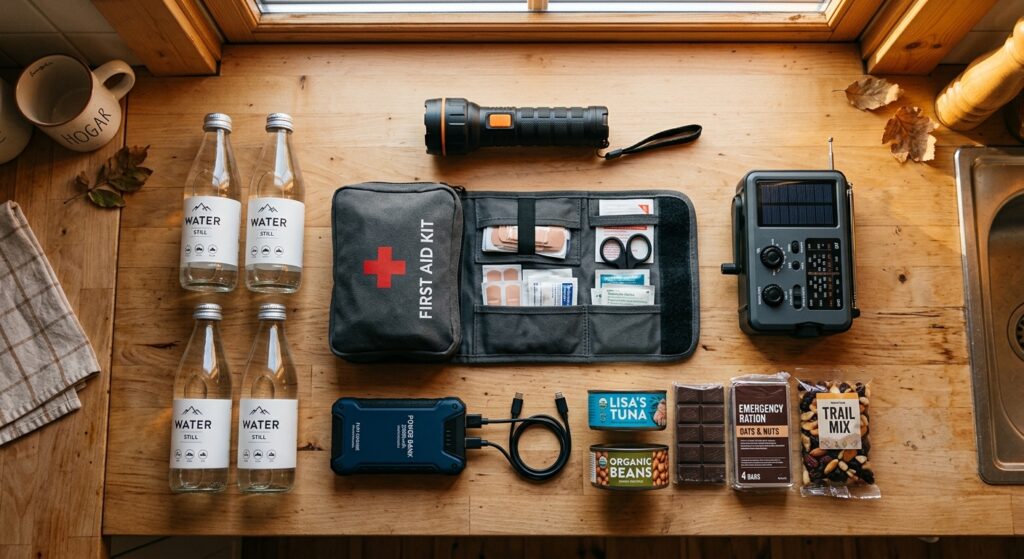
A home power outage checklist is the difference between calmly riding out a storm and scrambling in the dark for flashlights that do not work. Every year, storm season brings the same predictable problem: outages catch households unprepared. However, a little planning in advance turns a stressful event into a minor inconvenience. This checklist walks through exactly what to prepare, organized by how far out the storm actually is.
Why a Home Power Outage Checklist Matters
Utility companies routinely report that severe weather causes the majority of extended outages each year. Because of this, waiting until a storm warning to start preparing is often too late, since store shelves empty quickly and delivery times slow down. Instead, building a home power outage checklist well before storm season means you are ready regardless of when the next outage hits.
Weeks Before Storm Season
Start early with the bigger decisions. First, decide on your backup power source, whether that is a portable generator, a battery system, or both. For guidance on sizing and choosing between options, our comparison of the best home battery backup systems and our guide on home battery backup cost both walk through what to expect. Second, test any existing generator or battery you already own, since a dead unit is worse than no plan at all. Third, stock up on essentials that do not expire quickly, including batteries, a battery-powered or hand-crank radio, and a basic first aid kit.
One Week Before a Storm
Once a storm is in the forecast, shift into more specific preparation. Fill your vehicle’s gas tank, since gas stations often lose power along with everything else. In addition, charge every device you own, including phones, laptops, and any portable power stations. Meanwhile, freeze a few water bottles to help keep your refrigerator cold longer if the power does go out. Finally, review your family’s communication plan, since cell towers can become overloaded during major storms.
72 Hours Before
At this stage, focus on food and water. Store at least one gallon of water per person, per day, for three days. Similarly, stock non-perishable food that does not require cooking, since you may not have a safe way to heat meals. In addition, set your refrigerator and freezer to their coldest settings, which buys extra time if the power goes out. Because pets need supplies too, do not forget food and water for them as well.
Day of the Storm
On the day itself, keep your priorities simple. Charge all devices one final time, and fully charge any portable power stations or batteries. In addition, unplug sensitive electronics to protect them from power surges when service returns. Therefore, it also helps to know where your circuit breaker panel is located, in case you need to reset it safely after the storm passes.
During the Outage
Once the power actually goes out, resist the urge to open the refrigerator repeatedly, since this lets cold air escape and shortens how long food stays safe. Instead, use a cooler with ice for items you access often. Meanwhile, run a generator only outdoors, at least 20 feet from windows and doors, to avoid carbon monoxide poisoning. According to the Centers for Disease Control and Prevention, generator-related carbon monoxide poisoning remains a leading cause of storm-related deaths, which makes this rule non-negotiable.
After the Power Returns
When power comes back, do not assume everything is fine immediately. First, check your refrigerator and freezer temperatures before eating anything that was stored inside during the outage. As a general rule, food is unsafe if the refrigerator was above 40°F for more than two hours. Second, inspect any generator or battery system for damage before storing it again. Finally, restock any supplies you used, so your home power outage checklist is ready for the next storm.
Building a Reusable Emergency Kit
Rather than gathering supplies each time a storm approaches, keep a dedicated bin ready year-round. Include batteries, a flashlight, a first aid kit, copies of important documents, and a portable power station if you own one. As a result, your prep time before the next storm shrinks from days to minutes. For households considering a larger investment, our roundup of the best solar generators for home backup power outlines options that can recharge this kit even during a multi-day outage.
Special Considerations for Vulnerable Household Members
Households with young children, elderly family members, or anyone dependent on medical equipment need extra planning. For example, medication that requires refrigeration should have a backup cooling plan, such as a cooler with ice packs. In addition, anyone using powered medical equipment should register with their utility company in advance, since many utilities prioritize restoration for medically vulnerable customers. Because these needs vary by household, it is worth reviewing guidance from Ready.gov, the official U.S. government emergency preparedness site, for a more detailed checklist tailored to specific medical needs.
Keeping the Checklist Up to Date
A home power outage checklist is only useful if it reflects your current household. Therefore, review it at least once a year, ideally right before storm season begins in your region. Check expiration dates on stored food and batteries, and replace anything that has aged out. In addition, update contact information and medical needs if your household has changed since the last review. This small habit keeps the checklist genuinely ready, rather than outdated and forgotten in a closet.
Frequently Asked Questions
How long should a home power outage checklist supply last? Most emergency agencies recommend preparing for at least 72 hours without power, though longer storms can extend well beyond that.
Do I need a generator if I already have a home power outage checklist? Not necessarily, but a backup power source, whether a generator or battery system, significantly reduces the impact of longer outages.
What is the most commonly forgotten item on a home power outage checklist? Cash is often overlooked, since card readers and ATMs do not work without power, and many local stores only accept cash during outages.