
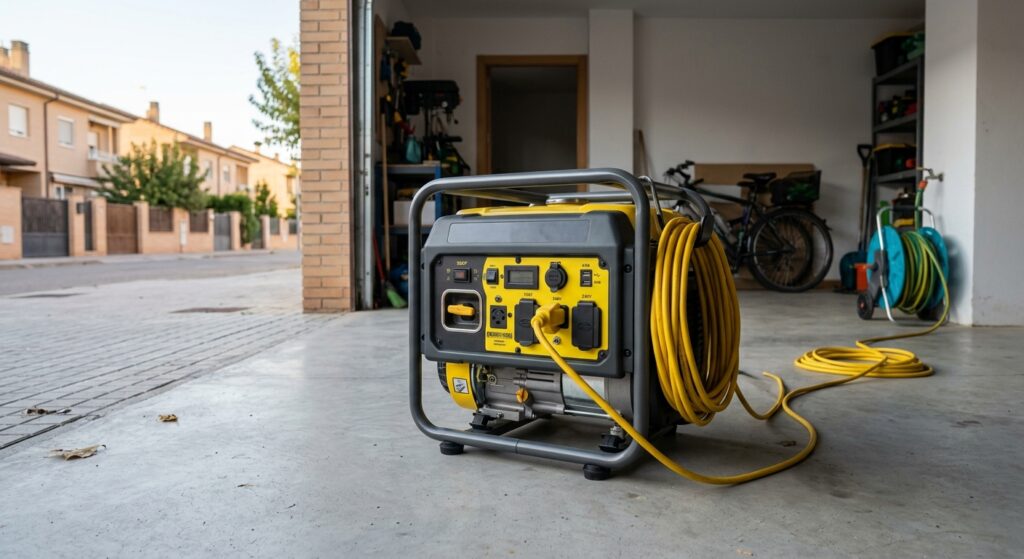
Finding one of the best generators under $1,000 doesn’t mean settling for an unreliable unit — it means knowing exactly which features to prioritize and which ones to skip at this price point. A sub-$1,000 budget puts real, dependable backup power within reach for most homeowners, as long as you know what you’re actually getting for the money.
This guide walks through what to expect from generators under $1,000, which trade-offs matter and which don’t, and a short list of picks by use case, along with the red flags that separate a solid budget generator from one that will let you down during an actual outage.
Quick Answer
At under $1,000, expect 3,000–7,500 running watts, either a conventional or entry-level inverter design, and enough power to cover a fridge, some lights, Wi-Fi, and a window AC unit — but not central air or a well pump running simultaneously with other large appliances.
What You Get (and Don’t Get) Under $1,000
Budget doesn’t mean unreliable, but it does mean fewer features. Here’s the honest breakdown of what changes as the price drops:
| At this budget | Still included | Usually sacrificed |
|---|---|---|
| $700–$1,000 | Electric start, basic fuel gauge, 3-year warranty | Dual-fuel flexibility, parallel capability |
| $400–$700 | Reliable engine, manual pull-start | Electric start, larger fuel tank |
| Under $400 | Basic running wattage only | Warranty length, brand-name parts availability |
The sweet spot for most homeowners looking at the best generators under $1,000 sits in the $700–$1,000 range, where you still get electric start and a real warranty without paying for features (like parallel-ready inverter technology) that aren’t necessary for basic home backup.
Top Picks by Use Case
Best overall for home backup under $1,000: A 4,500–7,500 running-watt conventional generator with electric start and a 3-year warranty. This size comfortably covers a refrigerator, several lights, Wi-Fi, and a sump pump at the same time — the most common combination homeowners actually need during a storm outage.
Best for electronics and quiet operation: A 2,200–3,500 watt inverter generator. You’ll get less total wattage than a conventional unit at the same price, but clean power and noise levels around 55–60 dB make it the better choice if you’re running laptops or want to avoid disturbing neighbors.
Best dual-fuel option: A propane/gasoline dual-fuel conventional generator in the 5,000–6,500 watt range. Slightly less efficient than gasoline-only models, but propane doesn’t degrade in storage the way gasoline does, which matters if the generator sits unused for months between outages.
Red Flags to Avoid in Budget Generators
Not every generator under $1,000 is a good value — some cut corners that actually matter. Watch for:
- No published THD (Total Harmonic Distortion) rating. If a listing doesn’t mention power quality at all, assume it’s on the rougher end and avoid plugging in electronics directly.
- Warranty under 1 year. Most reputable budget brands offer at least 2–3 years; anything shorter is a signal of lower confidence in the build.
- No listed running watts, only “peak” or “starting” watts. Peak wattage numbers look impressive but only last a few seconds — running watts are what actually matters for sustained use.
- Extremely light weight for the advertised wattage. A generator that’s dramatically lighter than comparable models at the same wattage often uses a smaller, less durable engine than the spec sheet implies.
How Much Generator Do You Actually Need at This Budget?
Before buying, add up the running watts of what you actually want to power during an outage — refrigerator (600–800W), a few LED lights (60W total), Wi-Fi router (20W), and a sump pump (800–1,500W running, higher at startup) is a realistic starting list for most households. That combination typically lands in the 3,000–4,000 running-watt range, well within what a sub-$1,000 unit can deliver. For a full walkthrough of sizing your specific appliance list, see our guide on how to choose the right generator size.
Conventional vs Inverter at This Price Point
At under $1,000, you’re choosing between more raw wattage (conventional) or cleaner, quieter power at a lower wattage ceiling (inverter). Our full breakdown of inverter vs conventional generators covers this trade-off in detail, but the short version for a budget buyer: choose conventional if you need to cover a well pump or sump pump, and inverter if your priority is charging phones, laptops, or running near neighbors quietly.
3 Mistakes Buyers Make at This Price Point
- Buying based on peak watts instead of running watts. A generator advertised as “9,000 watts” might only sustain 7,000 running watts — the number that actually determines what you can power continuously.
- Skipping the transfer switch to stay under budget. A basic manual transfer switch adds $200–$400 but is the safe, code-compliant way to power your home — running extension cords through a window is both inefficient and, in many areas, against fire code.
- Not checking noise level before buying. Budget conventional generators can run as loud as 72–75 dB, which is louder than many suburban noise ordinances allow overnight — worth checking your local regulations, summarized in general terms by the U.S. Consumer Product Safety Commission’s generator safety guidelines.
Frequently Asked Questions
Can you get a reliable generator for under $1,000?
Yes. In the $700–$1,000 range, most major brands offer electric start, a 3-year warranty, and enough running watts to cover essential appliances during a typical outage.
What’s the best wattage for a generator under $1,000?
For most households, 4,500–7,500 running watts offers the best balance of coverage and price at this budget, comfortably running a fridge, lights, Wi-Fi, and a sump pump together.
Is it worth spending more than $1,000 on a generator?
If you need to run central AC, an electric water heater, or want whole-house standby coverage, yes — those needs generally require a larger conventional unit or a standby system above this budget range.
Do budget generators need more maintenance?
Not necessarily more, but consistently: regular oil changes and running the unit every few months prevents the fuel and carburetor issues that cause most budget generator failures.
Bottom Line
The best generators under $1,000 deliver real, dependable backup power as long as you prioritize running watts, warranty length, and a transfer switch over flashy peak-wattage numbers. Focus on the $700–$1,000 range for the strongest balance of features and reliability, and pair your purchase with proper sizing using our generator sizing guide.